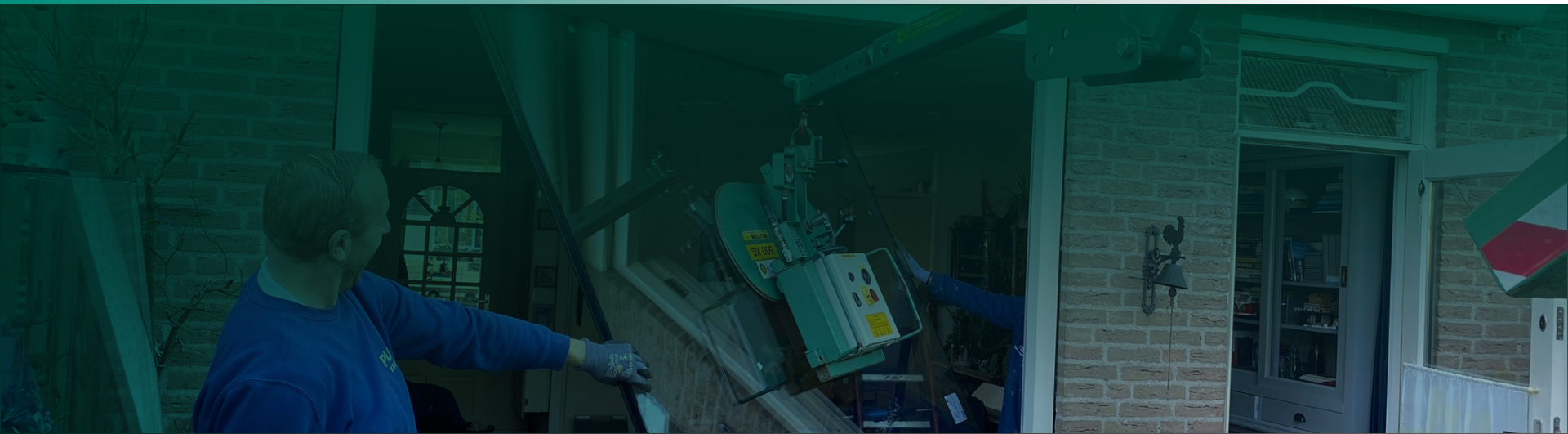
THE RIGHT COMBINIATION OF
EQUIPMENT, TECHNIQUE AND PREPERATION
Moving heavy glass safely and efficiently requires the right combination of equipment, technique and preparation. Whether you work on construction sites, renovation projects or industrial facilities, choosing the correct vacuum lifter – supported by proper transport tools such as reinforced glass trolleys – makes all the difference.
Below you will find a clear overview of the different classes of vacuum lifters and where they are used, with a special focus on Class 3, our recommended solution for high-level, professional and heavy glass lifting.
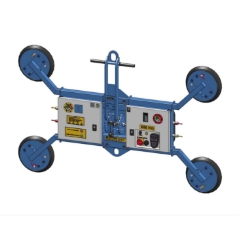
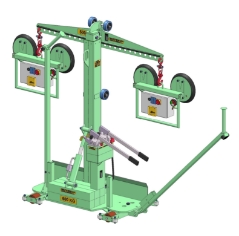
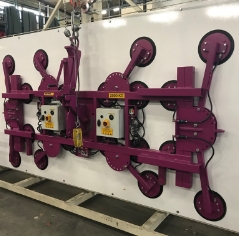
Class 1 – Ground-Level Handling (≤ 1.8 m lifting height)
Class 1 vacuum lifters are ideal for moving glass at ground level: through gardens, narrow spaces, buildings, corridors and lifts.
Features:
- Maximum manual lift: 23 kg or 50 kg with two operators.
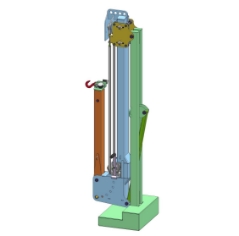
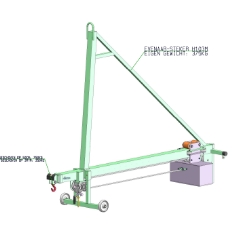
- Always operated outside the fall zone, for example with compact lifting devices or façade manipulators.
- Fast, light and perfect for day-to-day handling.
Short: under 1.8 m – light handling – safe working position.
Class 2 – Renovation & Small Glass Handling
Used when the lifter’s weight must be minimal or when the glass panels are too small for a Class 3 unit.
Features:
- Perfect for home renovations up to the second floor.
- Works in tight, limited or hard-to-reach spaces.
- Available as a single system with fall protection or a full double system.
Short: renovation – small glass – lightweight – single + fall protection or double.
Class 3 – The Professional Solution for Moving Heavy Glass
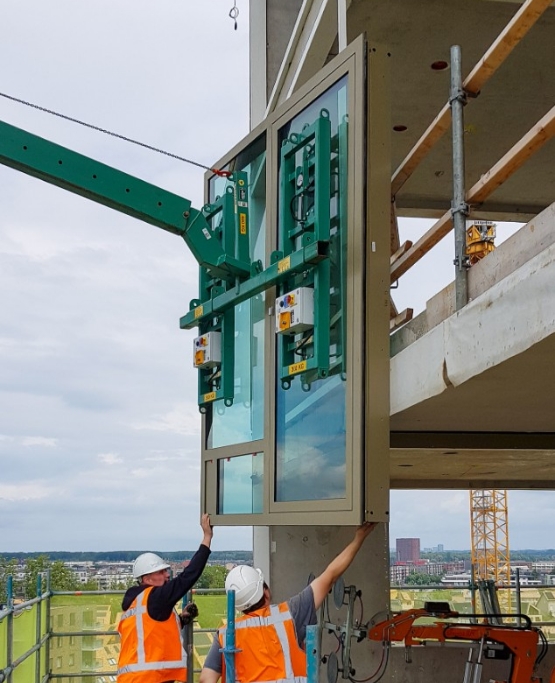
For heavy, high or professional glass lifting, we strongly recommend using a Class 3 vacuum lifter.
This class is designed for situations where weight, height and risk levels demand maximum safety and reliability.
Why our class 3?
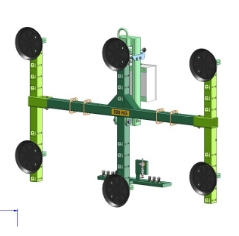
We go far beyond the basic standard.Our Class 3* equipment uses a fully redundant double vacuum system, where you can physically see:
- Two pumps
- Two vacuum tanks
- Two batteries
If one circuit fails, the load remains fully secured — essential for high-risk lifting situations.
Specialised Solutions for the Heaviest Jobs
Our Class 3 vacuum lifters include advanced functions such as:
- Pneumatic movement for precise placement
- Individually adjustable suction pads (front-back motion) for easy installation in window frames
- Special models for curved glass
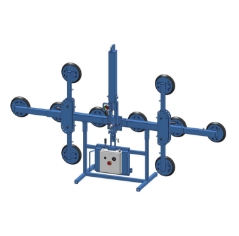
- Vacuum lifters with spreader bars / equalisers for long or heavy sheets
Compliant with NEN 13155: always a double system, or a single system with certified fall protection, and a cleared working zone.
Short: heavy lifting – high altitudes – maximum safety – professional use only.
Class 4 – Industrial Glass Handling
For factories and production facilities where visibility and noise create additional challenges.
Features:
- The operator must have the indicator in direct view.
- If not possible, the system must include an acoustic or visual alarm that operates even during power failure.
- Operator works outside the fall zone, approx. 1 m behind the lifter.
- Ideal for noisy environments, large overhead cranes and electric or pneumatic systems.
Short: industrial – indicator visible or alarm – controlled safe distance.
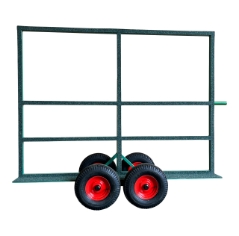
Safe Transport: Strong Trolleys for Heavy Glass
Before lifting begins, heavy glass must be transported safely across the site.
We recommend using reinforced, stable glass transport trolleys designed for:
Heavy and oversized glass
- Uneven construction ground
- Longer transport routes on site
- Maximum stability before lifting
Using strong trolleys prevents unnecessary manual lifting, reduces damage risk, and ensures that the glass arrives safely at the lifting point..
General Safety Rules for Moving Heavy Glass
- Under 1.8 m: operator stays outside the fall zone, indicator visible or alarm active.
- Above 1.8 m: larger exclusion zone, double system or fall protection, suction pads correctly positioned.
- Always follow Health & Safety regulations and assess risks on-site.
- Glass can slip or break, so fall protection is mandatory whenever there is a fall hazard.